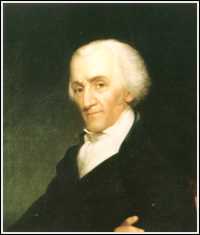
 Much depends on the mode of election. In England, the people
will probably lose their liberty from the smallness of the proportion having a right of suffrage. Our danger
arises from the opposite extreme; hence in Massachusetts the worst men get into the Legislature. Several members of that
Body had lately been convicted of infamous crimes. Men of indigcnce, ignorance and baseness, spare no pains, however
dirty to carry their point against men who are superior to the artifices practised. He was not disposed to run into extremes. He
Was as much principled as ever against aristocacy and monarchy. It was neccesary on the one hand that the people should
appoint one branch of the govermnent in order to inspire them
with the necessAry confidence. But he wished the election on the
other to be so modified as to secure more effectually a just
preference of merit. His idea was that the people should nominate certain persons in certain districts, out of whom the State
legisilatures should make the appointment.
Much depends on the mode of election. In England, the people
will probably lose their liberty from the smallness of the proportion having a right of suffrage. Our danger
arises from the opposite extreme; hence in Massachusetts the worst men get into the Legislature. Several members of that
Body had lately been convicted of infamous crimes. Men of indigcnce, ignorance and baseness, spare no pains, however
dirty to carry their point against men who are superior to the artifices practised. He was not disposed to run into extremes. He
Was as much principled as ever against aristocacy and monarchy. It was neccesary on the one hand that the people should
appoint one branch of the govermnent in order to inspire them
with the necessAry confidence. But he wished the election on the
other to be so modified as to secure more effectually a just
preference of merit. His idea was that the people should nominate certain persons in certain districts, out of whom the State
legisilatures should make the appointment.
- l. Defence against foreign danger.
- 2 against internal disputes and a resort to Iorce.
- 3. Treaties with foreign nations.
- 4. Regulating foreign commerce, and drawing revenue from it.
These and perhaps a few lesser objects alone rendered a Confederation of the States necessary. All other matters civil and criminal would be much better in the hands of the States. The people are more happy in small than large States. States may indeed he too small as Rhode Island, and thereby be too subject to faction. Some others were perhaps too large, the powers of government not heing able to pervade them. He was for giving the General government power to legislate and execute within a defined province.
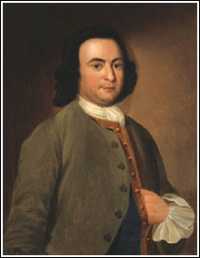 Under the existing Confederacy, congress
represents the States not the people of the States: their acts
operate on the States, not on the individuals. The case will be
changed in the new plan of government. The people will be
represented; they ought therefore to choose the Representatives.
The requisites in actual representation are that the
Representatives should sympathize with their constituents; should think as
they think, and feel as they feel; and that for these purposes
should even be residents among them. Much he said had been
alleged against democratic elections. He admitted that much might
be said; but it was to be considered that no Government was free
from imperfections and evils; and that improper elections in
many instances, were inseparable from Republican Governments.
But compare these with the advantage of this Form in favor of
the rights of the people, in favor of human nature. He was
persuaded there was a better chance for proper elections by the
people, if divided into large districts, than by the State Legislatures. Paper money had been issued by the latter when the former
Were against it. Was it to be supposed that the State Legislatures
then would not send to the National Legislature patrons of such
projects if the choice depended on them.
Under the existing Confederacy, congress
represents the States not the people of the States: their acts
operate on the States, not on the individuals. The case will be
changed in the new plan of government. The people will be
represented; they ought therefore to choose the Representatives.
The requisites in actual representation are that the
Representatives should sympathize with their constituents; should think as
they think, and feel as they feel; and that for these purposes
should even be residents among them. Much he said had been
alleged against democratic elections. He admitted that much might
be said; but it was to be considered that no Government was free
from imperfections and evils; and that improper elections in
many instances, were inseparable from Republican Governments.
But compare these with the advantage of this Form in favor of
the rights of the people, in favor of human nature. He was
persuaded there was a better chance for proper elections by the
people, if divided into large districts, than by the State Legislatures. Paper money had been issued by the latter when the former
Were against it. Was it to be supposed that the State Legislatures
then would not send to the National Legislature patrons of such
projects if the choice depended on them.
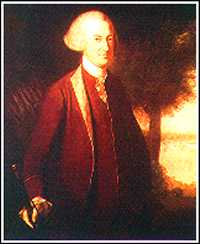 considered it as essential that one branch of the
Legislature should be drawn immediately from the people;
and as expedient that the other should be chosen by the Legislatures of the States. This combination of the State governments
with the national government was as politic as it was unavoidable.
In the formation of the Senate we ought to carry it through such
a refining process as will assimilate it as near as may be to the
House of Lords in England. He repeated his warm eulogiums on
the British Constitution. He was for a strong National government but for leaving the States a considerable agency in the
System. The objection against making the former dependent on
the Iater might be obviated by giving to the Senate an authority
permanent and irrevocable for three, five or seven years. Being
thus independent they will speak and decide with becoming
freedom.
considered it as essential that one branch of the
Legislature should be drawn immediately from the people;
and as expedient that the other should be chosen by the Legislatures of the States. This combination of the State governments
with the national government was as politic as it was unavoidable.
In the formation of the Senate we ought to carry it through such
a refining process as will assimilate it as near as may be to the
House of Lords in England. He repeated his warm eulogiums on
the British Constitution. He was for a strong National government but for leaving the States a considerable agency in the
System. The objection against making the former dependent on
the Iater might be obviated by giving to the Senate an authority
permanent and irrevocable for three, five or seven years. Being
thus independent they will speak and decide with becoming
freedom.