 |  |
||||
 |
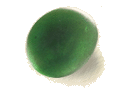
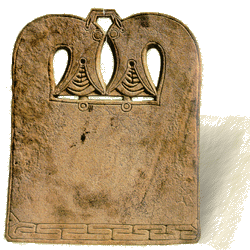
During the prosperous, and slightly warmer, Viking Age, the rich resources of the North Atlantic (stretching from coastal Norway to the shores of eastern Canada) encouraged many to seek opportunities abroad, including the Hebrides, Orkney and Shetland Islands. Here the goal was not raiding or even trading, but rather permanent settlement. Farmers first and foremost, Vikings in the North Atlantic islands recreated the daily life of their homelands. They kept pigs and tended sheep, cattle, and goats for needed wool, leather, meat, and milk. Climate permitting, Norse grew crops such as peas and cabbage, but primarily harvested grains for producing bread and beer. Wild animals, especially sea mammals, supplemented their diet and provided skins, ivory, and oil - important trade commodities back home.  Glass Smoother and Whalebone Ironing Board | ||||
 | |||||


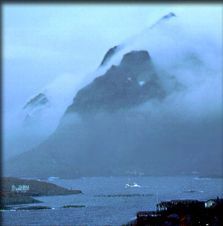 Lofoten Islands, Norway Photo: Sisse Brimberg Courtesy National Geographic Society  |